
One of the things players like to talk about online is trash talk. And that’s part of the culture of competitive gaming. But at times, you can have those moments where you have great teammates, love communicating, and generally have fun while grinding those ranked queues.
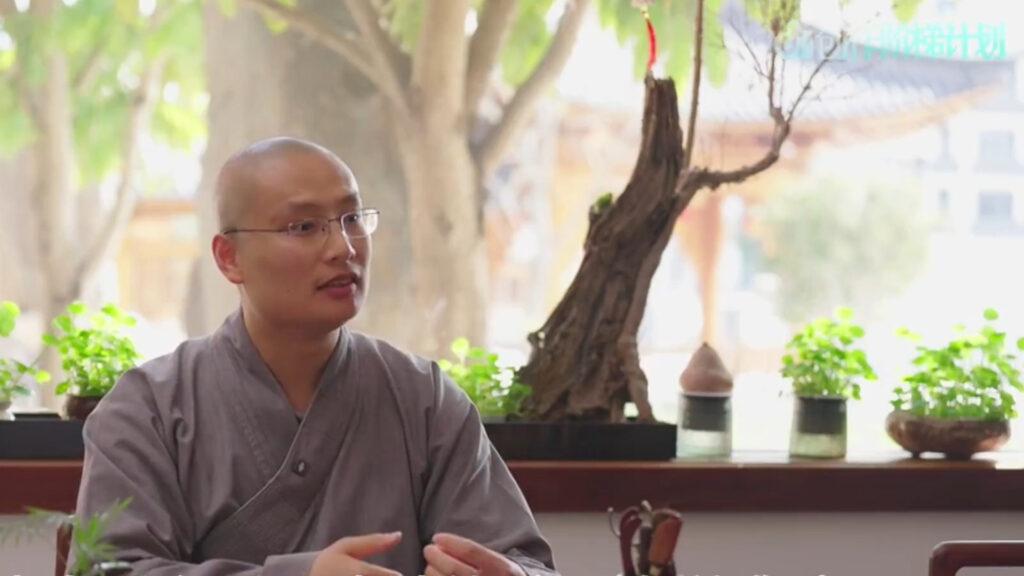
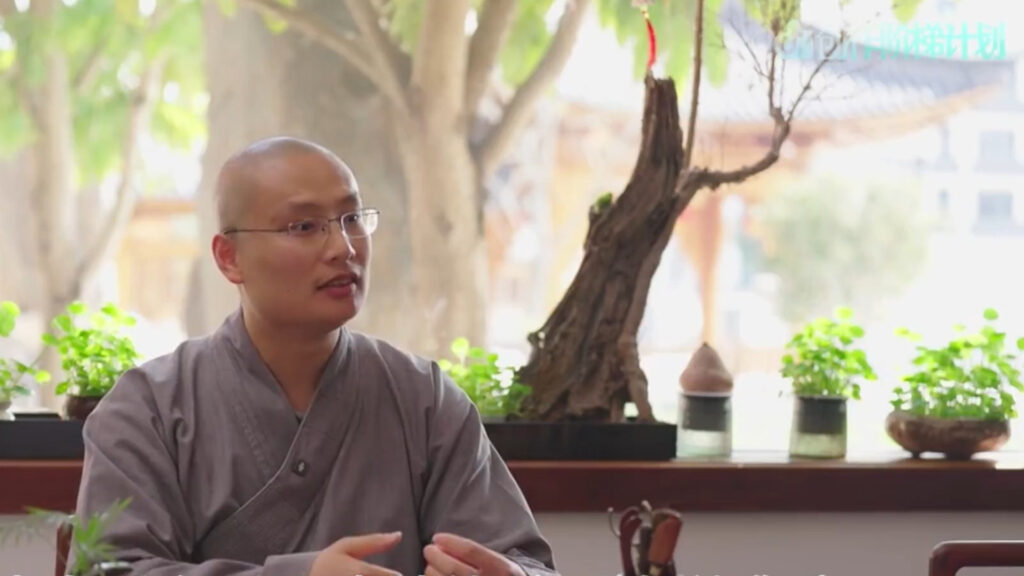
And that seems to be something coming from a Chinese monk who still games in his free time in the monastery. The interview was originally conducted in Chinese, but a native speaker translated the interview and reuploaded it with an English transcription on X.
Chinese monk who plays CS, interviewed and life story.
*added English subtitles*Must watch if you have the time.
“Don’t let a 40-minute match ruin your whole day.” pic.twitter.com/FDjhUZIuxY
— neal
(@nealCS) April 21, 2026

The CS2 Monk talks philosophy and applying it to Counter-Strike 2 (and competitive gaming)
It’s no secret that competitive players tend to love a good rage. So much so that competitive gamers tend to flame their own teammates, rather than trying to annoy their enemy for an upper hand.
For the monk, it’s something that he seems to easily ignore. The monk mastered meditation as part of his practice, and seems to convey some form of stoicism in not letting the things out of his control get him. The result is that players find that CS2 is fun for him — a good thing.
“Don’t let a 40-minute match ruin your whole day,” he said in response to the idea of raging and tilting in a losing match.
It comes as the monk quotes Zen scripture. And what do you do when someone cheats and annoys? You endure. And CS2 and other competitive games, for that matter, certainly do just that: test and make you endure.
Normally, when taking oaths of a religious life, you tend to give up things. The monk, on the other hand, argues that you tend to give up the bad things that lack meaning. But gaming, for him, seems like a great thing that brings value and meaning.
The interview also goes into talk about the concept of killing. Scripture details that the act and thought of killing is negative and denies access to heaven. Yet, the monk discusses the idea that if he buys Battlefield 6 and plays medic only, playing as a Desmond Doss-like character and only heals, does that mean he gets access to heaven?
He explained: “It’s simple logic. If I don’t have to do any real good deeds, don’t have to cultivate, don’t have to go through life’s trials..”
He makes a good point to be fair. The argument does not hold up, so he takes pleasure in gaming, as it again provides meaning and positivity.
The monk, at various points in the interview, even mentions the good things that come from gaming. He says that communicating, having fun, and sharing those good moments in games mean something to players. It helps them grow stronger in real-life skills, getting better at games, again showing how the monk provides meaning to those he plays with and to himself.
The interview is certainly interesting. We obviously don’t know for sure whether the translation is entirely accurate, as we don’t speak the language. But the whole interview is quite fascinating. Honestly, just give it a listen and read, and you might find your next FACEIT game much more endurable.