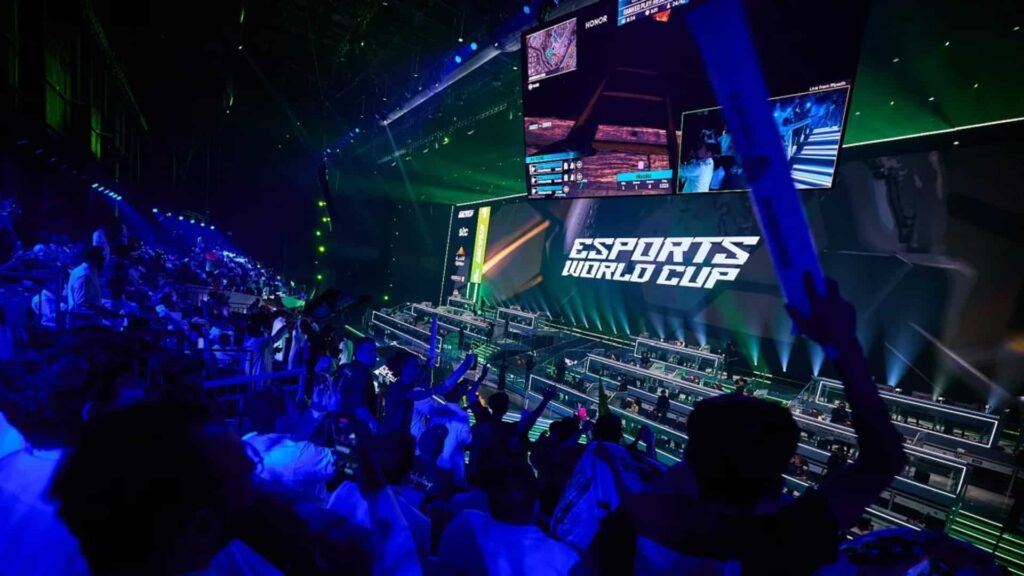
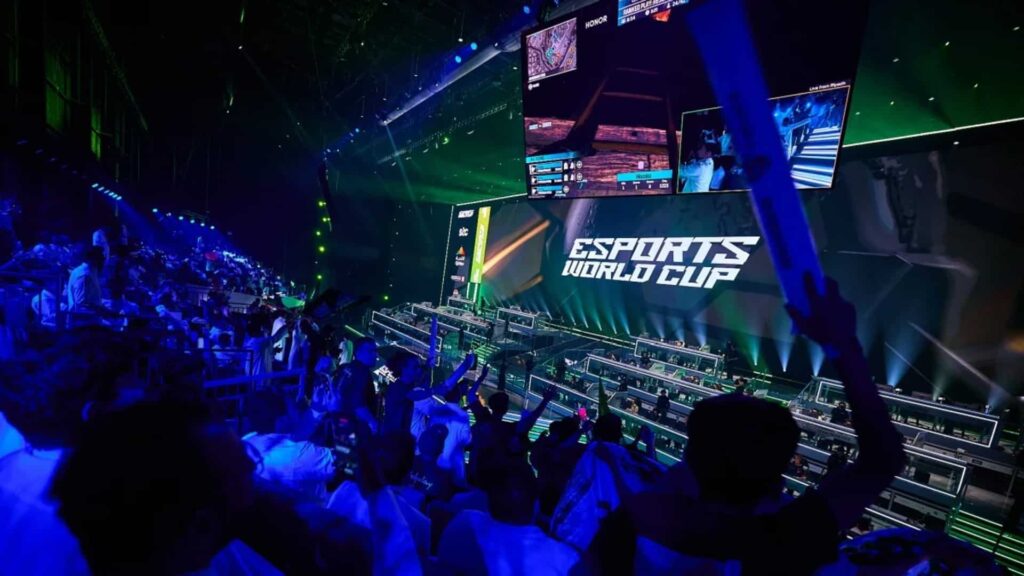
The travel plans for the world’s biggest esports stars just got a major overhaul. Originally scheduled to take over Riyadh this summer, the third edition of the Esports World Cup is reportedly pulling a last-minute U-turn.
According to a new report from GamesBeat, the entire production is relocating to Paris due to the ongoing instability and travel concerns in the Middle East.
GamesBeat confirmed the move with several anonymous insiders who have been briefed on the situation. While the official Esports World Cup representatives are staying quiet for now, the shift seems to be a pragmatic response to the logistical nightmare of flying thousands of players and staff into a conflict zone.
Safety First, Baguette Second
Running a massive global tournament is hard enough without worrying about canceled flights and safety risks. Last year, over 2,500 people flew into Saudi Arabia for the event. With airlines currently cutting back on routes to the region, the risk of a half-empty arena or a delayed grand final was becoming too high.
In an interview with GamesBeat, Malph Minns of Strive Sponsorship pointed out that moving major events isn’t as wild as it sounds. He noted that we’ve seen similar shifts with the Champions League and Formula 1 in recent years.
Paris is essentially the reliable “Plan B” of the global event world. It has the infrastructure, the venues, and a much shorter flight path for most of the competing orgs.
“In recent years, major events have been impacted by events like the COVID pandemic and Ukraine conflict, and so moving/rescheduling/canceling them isn’t as unusual as some may think,” he said.
The Sponsorship Shuffle
One big question is what happens to the money. The Esports World Cup is famous for its massive prize pools and high-profile Saudi backing. Critics often point to these events as a form of “sportswashing,” so moving the festivities to France adds an interesting layer to the optics.
However, the transition might actually be a win for some sponsors. Many brands already have huge European operations, and a live crowd in Paris is a very different beast than one in Riyadh. Most of these high-level sponsorship contracts already have “instability” clauses baked in, so the checks should still clear regardless of whether the trophy is lifted under a desert sun or near the Seine.
A Digital Fanbase
At the end of the day, the location of the stage matters less than the pixels on the screen. Most of the audience for the Esports World Cup is watching online from their bedrooms. As Minns said, the value of the physical location is secondary to the digital reach. As long as the internet connection in Paris is solid, the average fan won’t feel much of a difference.
The bigger concern is what this means for other events planned for Riyadh later this year, like the Esports Nations Cup in November. If the situation doesn’t calm down, Paris might not be the only city getting an unexpected esports boost this winter.
While this solves the location safety issue, it doesn’t address the larger problem at hand: Saudi Arabia’s involvement (and control) in esports. Many esports pros and community members feel that Saudi Arabia is attempting “esports washing,” which uses competitive gaming events to cover up the country’s controversies. The esports industry, which is always suffering and broke, was easy for Saudi Arabian entities to swoop in on.
The players might have to trade their Riyadh dates for Parisian crepes, but at least they won’t have to worry about their flight getting grounded.
See you at the Eiffel Tower.