
The Ontario Securities Commission (OSC) has officially issued a failure-to-file cease trade order (FFCTO) against Rivalry Corp. The order effectively freezes all trading on the company’s stocks after it failed to report its financial results.
Rivalry failed to file consolidated financial statements for the year ended December 31, 2025.
A statement released by the company last week confirmed the FFCTO, which “prohibits all trading, whether direct or indirect, in the Company’s securities in Canada.”
Those holding stocks in the company may sell through a “foreign organized regulated market,” provided they are not “insiders or control persons of the Company.”
Co-Founders Depart Company On Brink
The betting operators stopped accepting wagers in February and said it was in discussions with third parties over a potential sale. That has not materialized, however.
Last month, three of the four co-founders of the esports-focused business resigned from the company, with the trio also holding C-level positions at the firm.
In total, five senior executives stepped down from the board of directors, including Ryan White, Kevin Wimer, Steven Isenberg, and Demi Abidogun-Benson.
White, Wimer, and Isenberg co-founded Rivalry in 2016 alongside CEO Steven Salz, who remains the only remaining member of the company. Wimer held the position of COO, while White was the company’s CTO.
Esports Fans Not Enough To Sustain Company
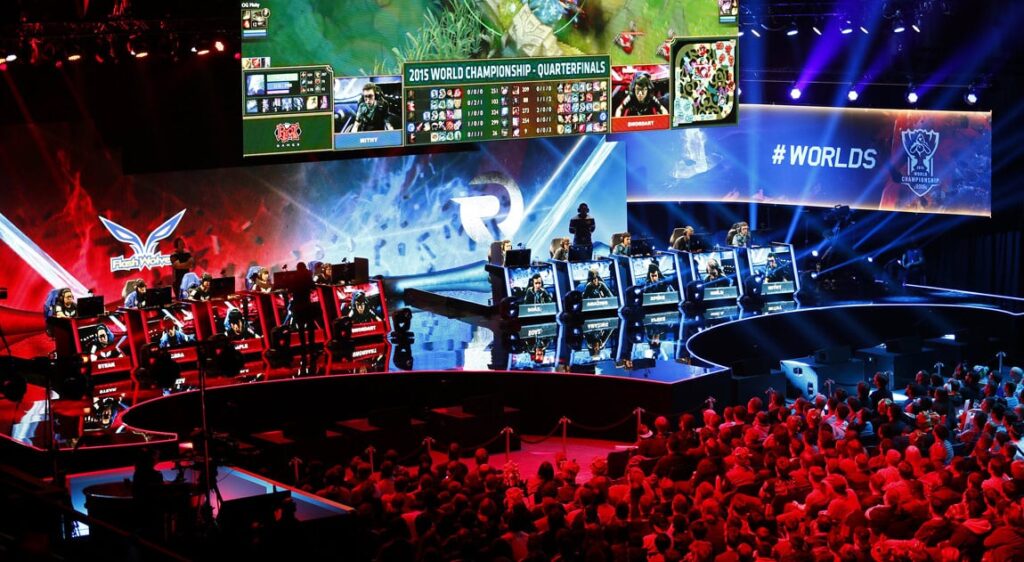
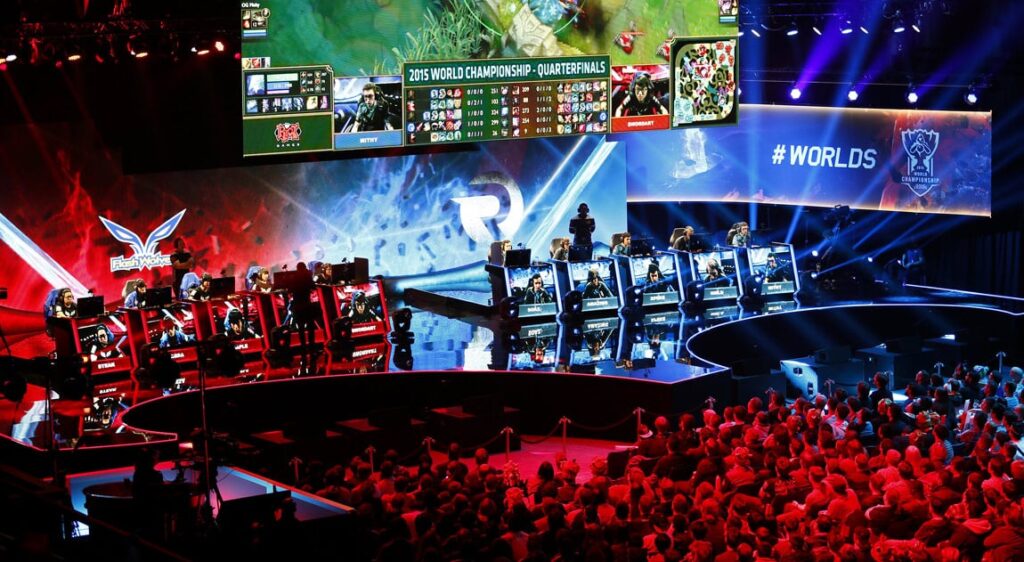
Rivalry built a following through deep integrations with Counter-Strike and Dota 2 communities, social media marketing, and the launch of “Casino.exe”, a gamified gambling platform that used 90s retro-tech aesthetics to engage Gen Z users.
However, the transition from a high-growth startup to a sustainable public company has proven difficult.
Esports betting remains an area where operators can generate high profits, according to a recent report from DATA.BET.
The company particularly highlighted “low-tier events as an increasingly important and underleveraged source of betting revenue.”
Rivalry’s demise may be evidence that a more diverse focus is required to sustain a gambling company. As esports prediction markets grow in popularity, some platforms have also targeted online users with an esports-first strategy.
Forkast is targeting users in Latin America to grow its brand, but whether it is able to compete with major operators such as Polymarket and Kalshi remains to be seen. The space is also becoming increasingly crowded due to the entry of major players, including DraftKings and FanDuel.
Rivalry similarly targeted Latin America and Asian markets for growth as Salz claimed the U.S. market was too crowded and expensive. He believed that the big “titans” (like DraftKings and FanDuel) were spending so much on marketing that a smaller, niche company like Rivalry would be crushed trying to compete for American customers. Yet, by not competing in lucrative markets, the company has also struggled to survive.